

Life can feel very busy. It is often hard to find a quiet moment. What if your path to better health was simple? As simple as brewing a warm cup of tea? As an herbalist, I have spent years helping people with the power of plants. A simple cup of herbal tea is often the first step on their wellness journey.
This guide will show you the best herbal teas for overall health. It is more than just a list. I will share my knowledge from years of studying traditional herbal medicine. We will look at the science behind these amazing plants. This will help you understand their true benefits.
For thousands of years, people have trusted herbs. They brewed special teas, or tisanes, for health. These drinks were a cornerstone of daily wellness rituals. They are a gentle and effective form of natural healing. They work with your body to restore balance.
In this article, I will guide you through my favorite teas. We will explore herbs that bring calm and restful sleep“>restful sleep. I will show you teas that support healthy digestion. We will also cover teas that help build a strong immune system. My goal is to help you create a personal tea ritual. A simple habit that can support a healthier, more balanced life.
Disclaimer: This information is for educational purposes only. It is not a substitute for professional medical advice. Please consult your healthcare provider before using any herbal remedies.
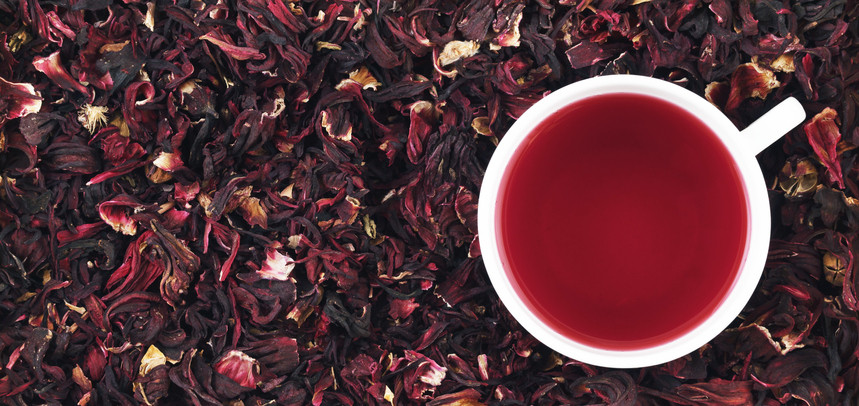
Image Credit: www.health.harvard.edu
Soothing Your Nervous System with Nature’s Best
I often see people who feel overwhelmed. Their minds race all day long. Finding calm feels impossible. I always suggest starting with a simple cup of tea. Certain herbs can gently soothe your nervous system. They help your body and mind find peace. It is a simple step toward better wellness.
Chamomile (Matricaria recutita): The Gentle Relaxer
Chamomile is a wonderfully gentle herb. I call it a hug in a mug. Its small, daisy-like flowers are full of power. They help reduce feelings of anxiety. Many people find it helps them get restful sleep. This plant also calms an upset stomach tied to stress.
The main compound is called apigenin. It works on brain receptors to promote relaxation. When buying chamomile, you may see German or Roman types. I prefer German chamomile for tea. It has a sweeter, apple-like flavor. Roman chamomile can be more bitter. Both offer calming benefits.
Lavender (Lavandula angustifolia): Aromatic Anxiety Relief
The scent of lavender alone can ease tension. As a tea, it is a powerful tool for stress relief. I have found it very helpful for tension headaches. A warm cup can quiet a busy mind. This makes it a great part of a bedtime routine.
A little lavender goes a long way. Its flavor is strong. I recommend using just a small pinch of the buds. You can also blend it with other herbs. Lemon balm and lavender make a beautiful, calming tea. This combination is great for unwinding after a long day.
Case Study: Taming Anxiety with a Nightly Ritual
I once worked with a client named Alex. Alex worked from home and felt constant pressure. He could not “switch off” his brain at night. This led to poor sleep and more anxiety the next day. He needed a simple way to create a boundary between work and rest.
I suggested a small nightly ritual. One hour before bed, he would turn off all screens. He would then mindfully prepare and drink one cup of chamomile tea. His preparation was simple. He steeped one tablespoon of loose chamomile flowers in hot water for seven minutes.
After two weeks, Alex told me the change was significant. The ritual helped signal to his body that the day was over. He fell asleep faster. He also felt much less anxious in the mornings. This shows how herbal remedies for anxiety can support your holistic health.
Disclaimer: This information is for educational purposes only. It is not a substitute for professional medical advice. Please consult your healthcare provider before using any herbal remedies.
FAQs: Your Questions About Herbal Teas Answered
How often should I drink herbal tea to see benefits?
I often tell my clients that consistency is important. For ongoing support like stress relief, try one to two cups daily. This helps build a foundation in your body. For sudden needs like a cold, you might drink it more often for a few days. Listening to your body is always the best guide. Your personal needs will determine the right amount for you.
Can herbal teas interact with my prescription medications?
Yes, this is a very important question. Some herbs can change how medications work. For example, some teas may interact with blood thinners or sedatives. I always stress the importance of safety first. Please speak with your doctor or a qualified herbalist. They can help you avoid harmful interactions and keep you safe.
Are loose-leaf herbal teas better than tea bags?
I generally prefer loose-leaf teas in my practice. They often contain whole leaves, flowers, or roots. This means more potent flavor and benefits. Tea bags can sometimes contain dust or smaller pieces. But many great brands now offer high-quality, unbleached tea bags. The most important thing is the quality of the herb inside.
What is the best way to store my herbs to keep them fresh?
Proper storage protects your herbs’ healing properties. I store mine in airtight glass jars. Keep them in a cool, dark place like a cupboard. This protects them from heat, light, and air. Doing so preserves their delicate oils and potency. Your tea will taste better and work more effectively for longer.
Can I drink these teas if I am pregnant or breastfeeding?
You must be very careful with herbs during pregnancy. Many common herbs are not safe for you or your baby. I always advise clients to stop using most herbs then. Please talk to your healthcare provider. They must have experience with botanical remedies. Your safety is the top priority. Never guess when it comes to pregnancy.
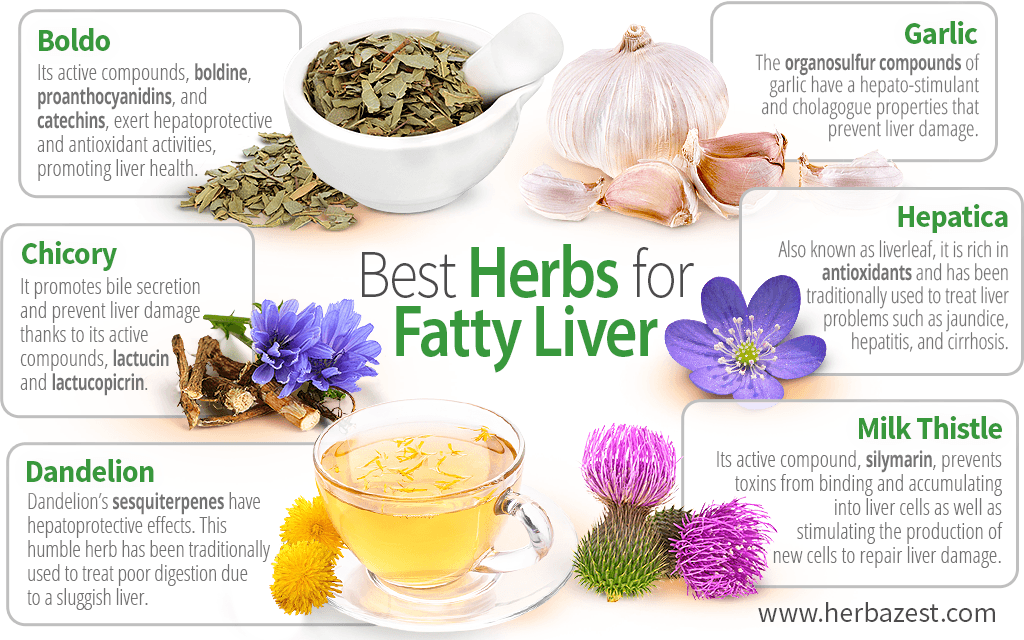
Image Credit: www.herbazest.com
Conclusion: Integrating Herbal Teas into Your Modern Life
We have explored many wonderful plants. We learned how teas can calm your mind. They can also soothe your stomach. And they can support your immune system. Each cup offers a simple act of self-care. It connects you to ancient traditions. This is the heart of plant medicine.
I encourage you to start your own ritual. Choose one tea that speaks to you. Prepare it with care and enjoy it. Using the best herbal teas for overall health is a beautiful step. It is a path toward greater wellness. In my experience, these small habits create lasting change. They build a foundation for a healthy life.
A warm cup of tea is a moment of peace. It is a gift you give yourself. This simple practice honors your body. It respects the healing power of nature. True holistic health begins with these mindful choices.
Important Health Disclaimer: This guide is for educational purposes. It is not a substitute for medical advice. I strongly advise you to talk with your healthcare provider. Do this before using any herbal remedies. This is especially true if you are pregnant, nursing, or on medication. Your safety is the highest priority. Use these herbs responsibly and with care.

Image Credit: www.health.harvard.edu
